
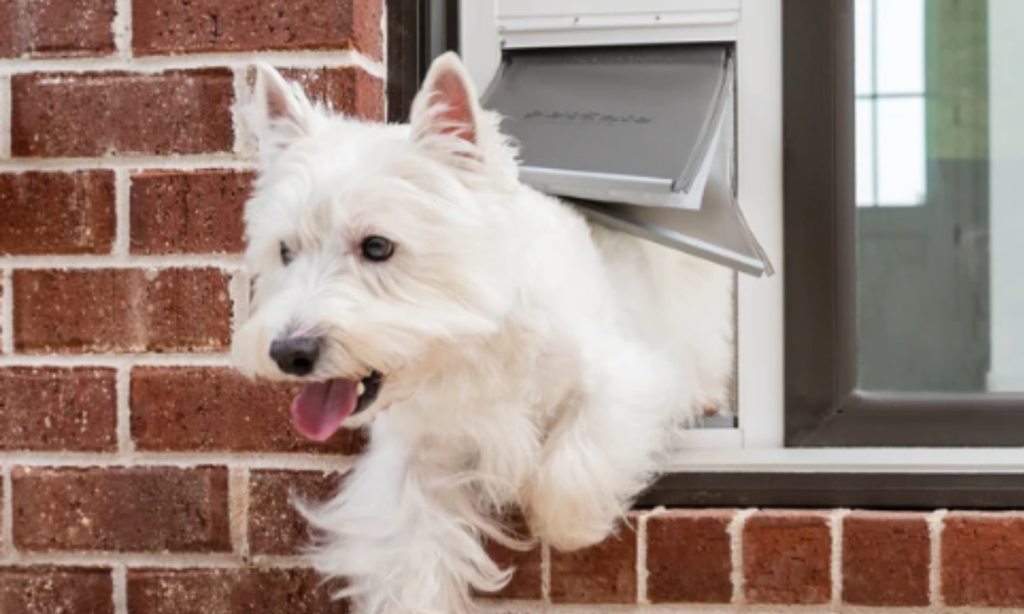

- Ideal Ruff Weather vs RANGER: What’s Worth Paying for Before You Cut the Hole? - October 6, 2026
- Endura Flap Alternatives: What Else Should You Consider Before Buying One? - September 9, 2026
- Best Dog Doors for Cold Weather: What I’d Actually Buy - September 3, 2026
After looking at enough dog doors labeled “extreme weather,” I started noticing that manufacturers are not all talking about the same thing. One company is counting flaps, another is talking about wind resistance, and another has an air-leakage test that looks more like something I would expect to see on an exterior door.
Living in Michigan changes how much weight I give those claims. If a dog door is going into the heated part of the house, I care most about what happens after the dog comes through and the flap closes. Does it stay flexible when the temperature drops? Does the wind push it open? How tightly does it sit against the frame?
At a Glance
| Dog door | Why it made the list |
|---|---|
| PetSafe Extreme Weather Aluminum Pet Door | Three-flap design and an XL size for dogs up to 220 pounds |
| Endura Flap Door Mount Pet Door | Insulated magnetic flap, 50 mph wind resistance, and a lifetime warranty |
| RANGER Dog Doors for Doors | Published third-party air-leakage testing and a flap rated for extreme cold |
| Hale Door Model Pet Door | A very broad range of sizes, including a Giant opening |
What I Care About More Than the Number of Flaps
Multiple flaps can help create an insulating air space, but I would not use flap count as a shortcut for how well a dog door will keep cold air out. A thick or multi-layer flap can still leak around its edges, and once cold air is moving around the perimeter, the insulation in the middle only tells part of the story.
For a cold climate, I pay more attention to how the flap seals when it closes, whether the material stays flexible in very low temperatures, and what the manufacturer says about wind. Independent testing is especially helpful because otherwise I am just trying to compare marketing claims made by different companies.
The frame is part of the equation too. Aluminum is strong and common in pet doors, but it conducts heat more readily than an insulating material such as cellular PVC. In a heated room, the frame itself can become another place for indoor heat to move toward the colder exterior.
Installation also matters, because even a very good flap cannot compensate for cold air getting around a poorly sealed frame. If there are gaps between the pet door and the exterior door or wall, the air does not have to come through the flap at all. It can work its way around the frame, which defeats a lot of what you paid for in the first place.
PetSafe
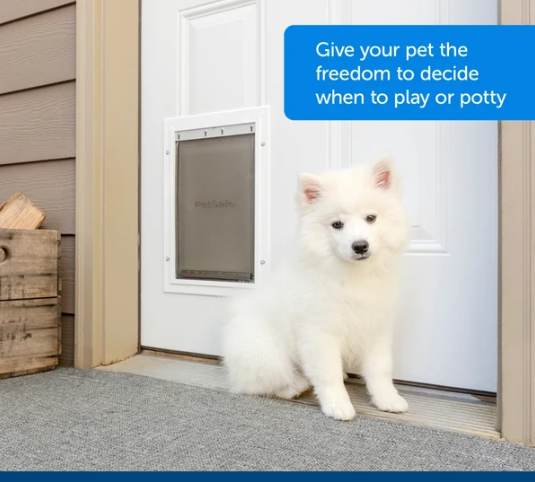
Extreme Weather Aluminum Pet Door, from $94.95
PetSafe is probably the most familiar name here, and the Extreme Weather Aluminum Pet Door is the model I would look at for a house that gets a real winter.
It uses three flaps rather than the single flexible flap you see on a basic pet door, creating additional layers between the heated room and the outside air. PetSafe says the system blocks three times more thermal energy than a standard pet door, with magnets helping the outer flaps return to position after the dog passes through.
The XL opening measures 13 3/4 by 23 3/4 inches and is rated for pets up to 220 pounds. The large opening makes it a practical option for giant-dog owners who do not want to move straight into one of the more expensive specialty doors.
Price is a big part of PetSafe’s appeal. For a garage, mudroom, or household that wants more winter protection than a basic pet door but does not want to spend several hundred dollars, this is probably where I would start.
Endura Flap
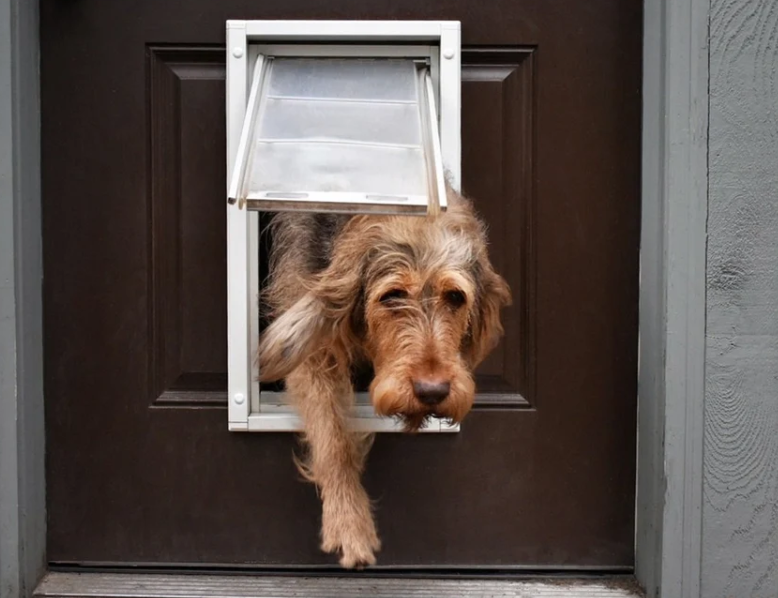
Door Mount Pet Door, from $279.99
The Endura Flap Door Mount Pet Door uses an insulated flexible flap with magnets around the opening to help pull it back into position.
Endura says the flap remains flexible down to -40°F and can withstand winds up to 50 mph. Buyers can choose between single- and double-flap configurations, so homes dealing with especially harsh winters can add another layer between the room and outside.
The residential models also carry a lifetime warranty. I give that more weight on something permanently installed in an exterior door than I would on a normal pet accessory. If the flap or hardware becomes a problem years from now, being able to repair the existing door is much less disruptive than replacing the whole installation.
Endura would be high on my list for an exposed side of a house where winter wind regularly hits the door. A flap can insulate well while the air is still and become much less effective if a strong gust can push it away from the frame. That 50 mph rating is useful because it tells me the flap is designed to stay in place when wind is hitting the door, instead of lifting away from the frame and letting a blast of cold air through.
RANGER Pet Doors
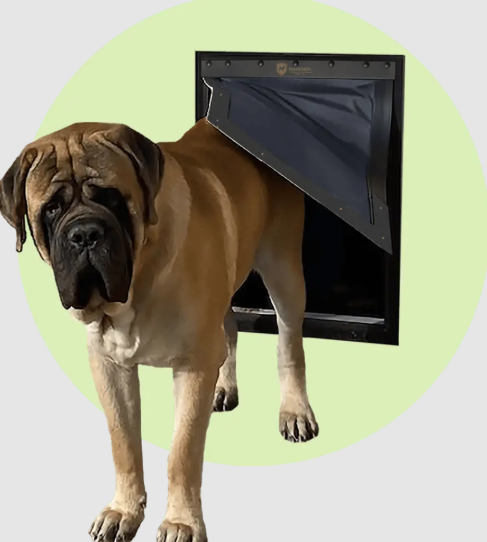
Dog Doors for Doors, from $289
The RANGER Dog Doors for Doors model uses an insulated rubber-core flap covered with marine-grade canvas. The rubber is the same general type used in products like tires, where flexibility and wear resistance matter. RANGER says the finished flap remains flexible at -40°C and below, so it should be less likely to stiffen up and have trouble settling back into place in extreme cold.
Its frame is made from cellular PVC rather than aluminum. PVC transfers less heat than metal, so the frame itself is less likely to act like a cold bridge between the house and outside, plus it won’t rust or absorb water.
The DoubleMag closure pulls the flap back against the opening after the dog passes through, helping close the small gaps around the edges where drafts can sneak in even when the flap looks shut.
RANGER also had the finished door independently tested for air leakage using the same type of standard used to evaluate exterior doors and windows. Pet doors are not ENERGY STAR certified, but the testing gives homeowners a useful reference point for how well the whole assembly keeps outside air out once the flap is closed.
Installation is the main caveat. The standard model requires measuring, cutting, drilling, leveling, and sealing, so professional installation may be worth budgeting for if you are not comfortable with that work.
Hale Pet Door
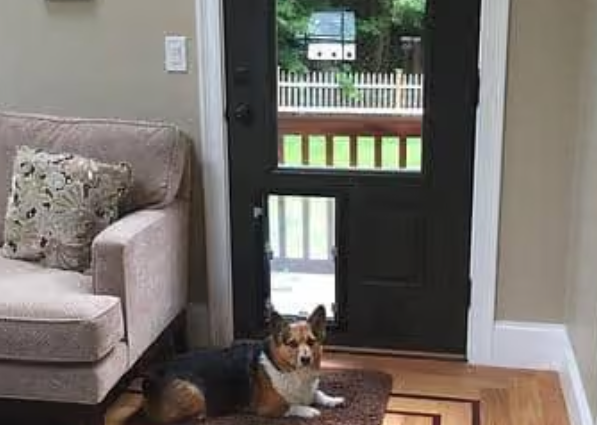
Door Model Pet Door, from $224
The Hale Door Model Pet Door is the one I would look at if the usual Small/Medium/Large/XL sizing did not work for my dog or my exterior door.
Its openings range from 6 1/2 by 9 1/2 inches up to a 15 1/2 by 27 1/2-inch Giant. As someone with a roughly 180-pound dog, I appreciate a company that understands “large dog” and “ridiculously large dog” are separate categories.
For winter use, Hale’s standard setup uses two flexible flaps with an air space between them, putting another barrier between the room and the outdoor air. Magnetic closures and weatherstripping help the flaps settle back against the opening after the dog passes through. Single-flap configurations are available too.
Dog size is only part of pet-door fit. An unusual exterior door, wall thickness, window, or raised panel can also limit the space you have available. Hale’s broader size range gives you more flexibility to match the opening to both the dog and the house, which is especially helpful in a cold-weather home where you do not want to cut a much larger opening than necessary.
Installation Can Create Its Own Draft
Before ordering any of these, figure out exactly where the dog door is going. Installing through a flat exterior door is one project. Going through a wall means dealing with framing, insulation, siding, the weather barrier, and the finished opening inside. Leave one of those areas poorly sealed, and you can create an air or water problem around a very expensive pet door.
The required cutout also gets substantial once you move into XL sizes, so windows, raised panels, and other features can limit where the door can go. This is one place where measuring the rough opening matters just as much as measuring the dog.
I would rather pay someone to install a wall-mounted door correctly than save on labor and leave a path for cold air or moisture around the frame. Whatever performance the pet door itself is capable of, the opening around it still has to be properly built and sealed.
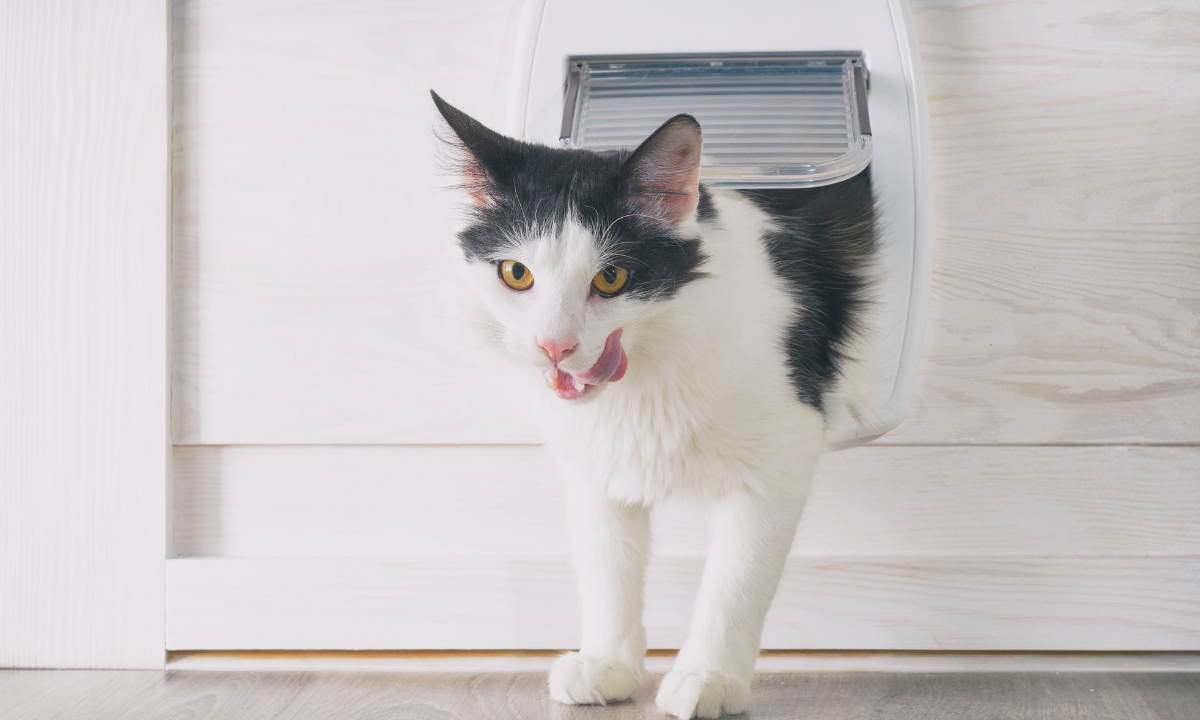
Which Cold-Weather Dog Door Would I Buy?
For our house, I would buy the RANGER Dog Doors for Doors model. Cutting a hole into an exterior door or wall is a significant installation, and living out in the woods means I want to think through more than whether the flap works on an average winter day. The dog door will also spend far more time closed than it does in use, so I put a lot of weight on how well that opening seals between trips.
I have done a ridiculous amount of research because I would rather account for the draft, the cold, the wind, and the installation now than discover one of those problems after the hole is already there. I am also fairly technology-minded, so the independent testing behind RANGER gives me more to evaluate than materials and weather claims when I am making a decision I do not want to make twice.
I would spend differently for a less critical opening. If I were putting a dog door into an insulated dog shed or another space that was not part of our heated house, price would carry more weight, and I would probably look harder at PetSafe. For a permanent opening directly into our living space, I am willing to spend more upfront.